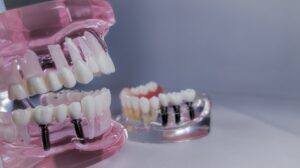
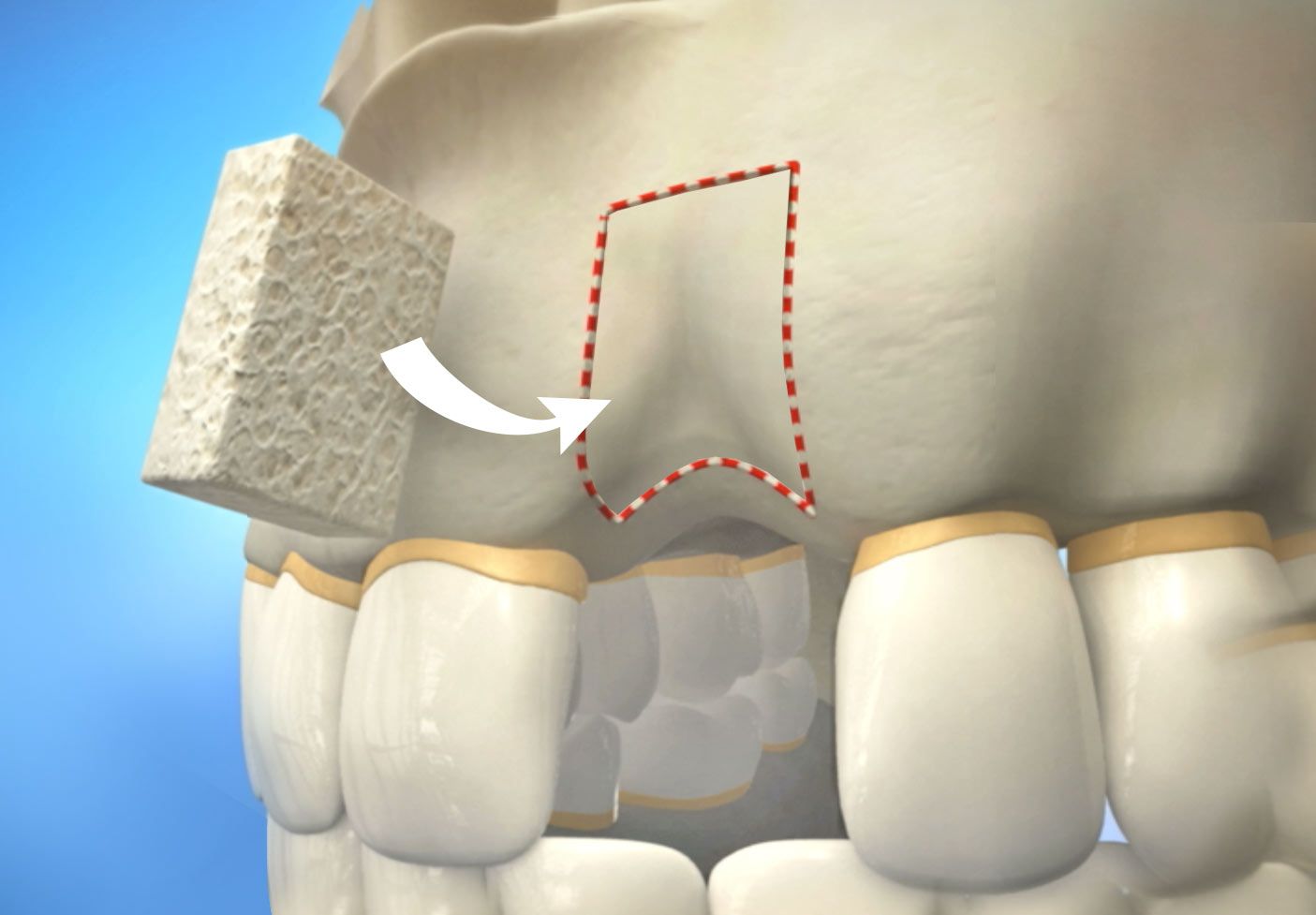
While dental implants are an excellent option for treating tooth loss, not all patients are good candidates. If you’ve been missing teeth for a while, you’ll naturally lose bone density along the dental arch. Bone grafting is performed to combat bone loss and allow patients to get dental implants. Dr. Frank Avason has helped numerous patients in and around the Denver and Charlotte, NC area by performing this procedure.
Many patients ask how long it takes to recover from a dental bone graft and what the healing stages look like. Bone grafting for dental implants involves a unique recovery process, and understanding what to expect can make healing smoother.
After the surgery, patients need to follow instructions closely for proper healing. Let’s briefly go over the recovery process for bone grafting surgery. We’ll provide more detailed instructions during your consultation at our practice.
What to Expect After Bone Grafting Surgery: Dental Bone Graft Recovery Stages
Dental bone graft recovery happens in stages, and knowing what to expect can make the process less stressful. While every patient heals differently, most people experience these general phases:
- First 24 Hours
Immediately after bone grafting surgery, patients can expect to feel groggy and tired as the effects of the anesthetic are wearing off. It’s important that patients have a loved one present to help them get home and make sure they’re okay. Mild bleeding, swelling, and discomfort are common. Patients should rest, use prescribed medication, and avoid disturbing the graft site. Keeping gauze in place and using ice packs will help manage the immediate effects. - First Week
Swelling usually peaks within the first 2–3 days and then begins to subside. Soft foods, gentle oral hygiene, and avoiding straws or tobacco are especially important. Many patients feel ready to return to work or light activity after a few days. - Two to Four Weeks
Gum tissue around the graft continues to strengthen. Pain and swelling typically fade, though tenderness may persist. Follow-up visits help the dentist ensure the graft is stable and free of infection. - Three to Six Months
The jawbone gradually integrates the graft material. This process, known as osseointegration, is essential for creating a strong foundation for future dental implants. Patients may feel fully healed long before this stage is complete, but the bone needs this time to properly regenerate.
These stages represent the typical dental bone graft healing stages, though recovery can be faster or slower depending on overall health and the size of the graft.
Avoid Smoking and Tobacco Products
Smoking and the use of chewing tobacco can lead to an increased risk of infection. Tobacco products also slow down the healing process. Be sure to avoid the use of tobacco products in the weeks prior to your oral surgery and in the weeks after bone grafting until you are completely healed.
Pain, Swelling, and Healing Timeline
Managing pain and swelling is one of the most important parts of bone graft dental recovery. Most discomfort is temporary and improves with simple at-home care.
Pain Management
In order to manage pain and discomfort after bone grafting, be sure to use prescription pain killers and medication as directed. Prescription or over-the-counter pain relievers help control soreness during the first few days. Most patients find discomfort decreases significantly within the first week of recovery from a dental implant bone graft.
Swelling Control
To deal with swelling, a cold compress can be placed against the side of the face where bone grafting was performed in the first 48 hours help reduce swelling. Leave the ice pack on for about 20 minutes and then take it off for about 20 minutes before applying it again. Repeat as needed.
After that, switching to gentle heat may speed healing. Swelling should steadily decline after the first week.
Recovery Timeline
- Days 1–3: Rest, ice packs, and soft foods are key.
- Days 4–7: Swelling and discomfort begin to improve.
- Weeks 2–4: Gum tissue heals, and most daily activities feel normal.
- Months 3–6: Bone graft fully integrates, creating a stable base for dental implants.
Every patient’s recovery timeline is unique, but following post-op instructions closely ensures the best possible outcome. Proper care during these stages helps prevent complications and supports a strong, healthy foundation for future implant placement.
Your Diet After Bone Grafting Surgery
Patients should eat soft foods that are easy to ingest and to hydrate regularly. Cold, cool, and lukewarm foods are ideal. Some good food items while recovering include:
- Protein shakes
- Meal replacement shakes
- Smoothies
- Yogurt
- Applesauce
- Gelatin
- Ice cream
- Milkshakes
In the first days after surgery, patients should avoid any hot foods as these can increase post-op bleeding. It’s also a good idea to avoid any foods with tiny seeds or that create crumbs.
Do NOT Use Drinking Straws
Even though you’ll be drinking a lot of fluids, make sure to avoid the use of a drinking straw in the first week after bone grafting. The suction in your mouth can undo sutures and even have a negative impact on the condition of the bone graft itself.
Proper Oral Hygiene
Keeping your mouth clean after oral surgery is essential. Patients should brush and floss gently around the operated area. Be sure to use a manual toothbrush rather than an electric toothbrush or water flosser/oral irrigator. The vibrations from these kinds of oral hygiene implements can have a negative impact on surgical outcomes.
Patients will be given an antiseptic rinse to use in order to avoid infection and keep the mouth sanitary during healing. Be sure to use this mouthwash as instructed.
FAQs About Dental Bone Graft Recovery
How long does it take to recover from a dental bone graft?
Most patients feel back to normal within 1–2 weeks, but complete recovery takes longer. While daily activities can resume quickly, full bone healing and integration with the jaw usually require 3–6 months.
What are the healing stages of dental bone graft recovery?
Healing occurs in steps:
- Days 1–3: swelling, tenderness, and clotting at the graft site.
- Weeks 1–2: gum tissue begins closing and strengthening.
- Months 3–6: bone integrates fully, creating a stable foundation for implants.
Is recovery from a dental implant bone graft different from other bone grafts?
Yes. A bone graft for dental implant recovery is designed specifically to prepare the jaw for implant placement. Healing time can be slightly longer since the graft must support the added stress of an implant post.
What should I avoid during bone graft dental recovery?
Avoid smoking, using straws, and eating hard, crunchy, or seedy foods that can disturb the graft site. Skipping follow-up appointments or neglecting oral hygiene can also slow recovery.
Can I speed up my tooth bone graft recovery?
Healing cannot be rushed, but you can support recovery by eating a soft, nutrient-rich diet, staying hydrated, avoiding tobacco, and following all post-op instructions from your dentist.
Attend Follow-Up Visits as Scheduled
Bone grafting patients will have multiple follow-up visits with their dentist and oral surgeon to monitor their healing progress. Be sure to attend all of these visits as scheduled.
If any issues arise between follow-up visits, bring them to the attention of your oral surgeon as soon as possible.
For more information about bone grafting and why it may be the right option for you and your needs, be sure to contact our doctors, Dr. Frank Avason, Dr. Alyssa Wolff, and Dr. Mason Pirtle, at our office in Denver, NC. You can reach our practice by phone at (704) 820-9797 or schedule online!