Choosing a teeth prosthesis can feel overwhelming. A teeth prosthesis means any removable or fixed device that replaces missing teeth to restore chewing, speech, and appearance. This post compares common options and asks the key question: are dental implants the right teeth prosthesis for you? Read on for a clear comparison, candidacy factors, treatment steps, cost basics, and how to get a consult.
What Is a Teeth Prosthesis?
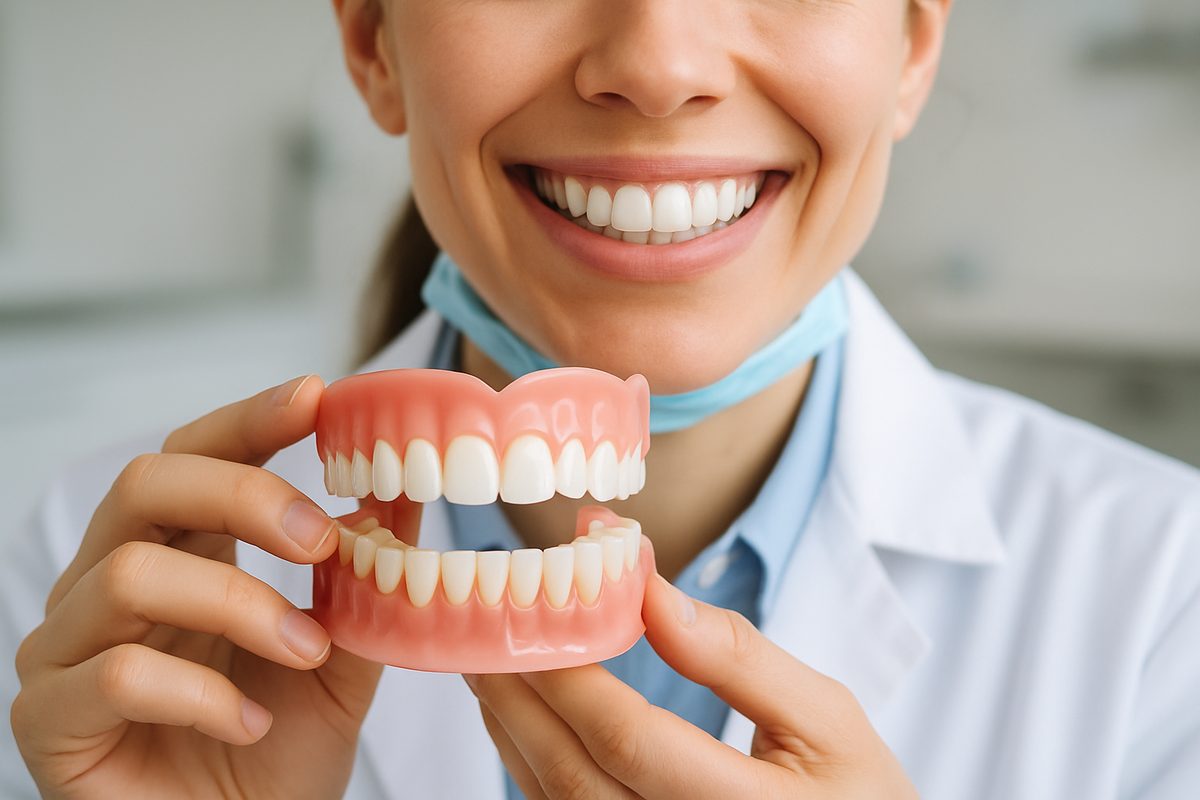
A teeth prosthesis replaces one or more missing teeth. Some prostheses are removable, like dentures. Others are fixed, like bridges or implant-supported crowns. Modern teeth prosthesis aim for comfort, natural looks, and long-term durability. Your goals are usually the same: eat comfortably, speak clearly, and feel confident when you smile.
Common Teeth Prosthesis Options
Dentures (removable)
Dentures can replace a full arch or just a few teeth (partial dentures). They are usually the most affordable upfront option. Pros: lower initial cost, non-surgical, quick solution. Cons: they can shift, need regular adjustments, and require daily removal and cleaning.
Fixed Dental Bridges
Bridges replace one or a few missing teeth by anchoring to adjacent teeth. Pros: fixed in place, no daily removal. Cons: nearby teeth must be prepared (shaved down), and bridges may need replacement after several years.
Dental Implants
Dental implants use a titanium post placed into the jaw and a crown or prosthesis attached to it. Implants can support single crowns, bridges, or full-arch prostheses. Benefits include high stability, improved chewing, and long-term function. When considering a teeth prosthesis in Denver, NC, many patients prefer implants for a permanent feel and better bone preservation.
Types of Implant-Supported Teeth Prosthesis
Single Implant and Crown
One implant and a crown replace a single missing tooth. This option preserves nearby teeth and looks natural.
Implant-Supported Bridge
An implant-supported bridge replaces several adjacent teeth without needing an implant for every missing tooth. It’s stronger than a traditional bridge and protects healthy teeth.
Full-Arch / All-on-4 Style Prosthesis
Full-arch solutions use a few strategically placed implants to support an entire arch of teeth. These fixed prostheses offer a stable alternative to removable dentures. If you’re exploring a teeth prosthesis in Denver, NC, full-arch implants are a common choice for people who want a secure, long-lasting result.
Who Makes a Good Candidate for Dental Implants?
Good candidates usually have:
- Enough jaw bone volume or willingness to have grafting
- Healthy gums or gum disease that can be treated first
- Controlled chronic conditions (for example, diabetes under control)
- No uncontrolled immune issues or ongoing heavy smoking
- Realistic expectations about time and cost
Bone grafting and modern techniques can expand candidacy for many people who once thought implants were not an option.
Pros and Cons: Dental Implants vs. Other Teeth Prosthesis
Here are the key trade-offs:
- Implants: High stability and longevity, preserve bone, best chewing function. Cons: surgery required, higher initial cost, longer timeline.
- Dentures: Affordable, non-surgical, replace many teeth quickly. Cons: can shift, may reduce chewing efficiency, ongoing maintenance.
- Bridges: Fixed, no surgery for the jaw. Cons: affects adjacent teeth, may need replacement in 5–15 years.
What to Expect: Implant Treatment Steps
Consultation & CBCT Imaging
Your dentist will review health history and take 3D cone beam (CBCT) scans to assess bone, nerves, and implant placement. If you’re searching for a teeth prosthesis in Denver, NC, ask whether your provider uses CBCT and digital planning.
Surgical Placement
Implant placement is typically minimally invasive. Many practices offer local anesthesia and sedation options to keep you comfortable. Skilled surgeons place the titanium post into the jaw at the planned position.
Healing & Restoration
Osseointegration—when bone bonds to the implant—takes weeks to months. After healing, a final crown or prosthesis is attached. Some patients qualify for same-day provisional restorations depending on planning and bone quality.
Maintenance
Daily brushing and flossing around implants and regular dental checkups protect the prosthesis and gum health. Professional cleanings and occasional X-rays help catch problems early.
Cost and Insurance Basics
Costs vary based on the number of implants, need for grafting, lab fees, and the type of final prosthesis. Implants cost more up front than dentures or bridges but often last longer. Many dental insurances have limits for prosthetic work; ask about coverage. Financing and payment plans are commonly available to spread costs.
Why Consider Avason Family Dentistry for Your Teeth Prosthesis
Dr. Frank Avason, DMD, MS, is a dual-trained periodontist and dentist with over 20 years of experience. At Avason Family Dentistry in Denver, NC, the team uses advanced tools like CBCT imaging, intraoral scanning, PRGF/PRF for healing, soft tissue lasers, and digital occlusal analysis. Their approach emphasizes minimally invasive implant placement and patient comfort, with sedation options and partnerships for same-day restorations. If you’re looking into a teeth prosthesis in Denver, NC, this technology and expertise can simplify planning and improve outcomes.
How to Decide: Questions to Ask and Next Steps
Bring these questions to your consult:
- Am I a good candidate for dental implants?
- What are my implant and non-implant options?
- Will I need bone grafting or extra procedures?
- What technology will you use (CBCT, intraoral scan)?
- What are the timelines, costs, and financing options?
- What sedation options are available?
Ready to find out if dental implants are the right teeth prosthesis for you? Schedule a consultation to review your health, imaging, and a personalized plan with Avason Family Dentistry.