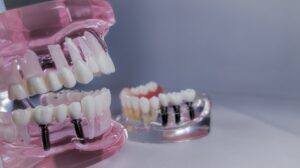

Teeth implant recovery time is the period it takes your mouth to heal after an implant is placed. Expect several stages: immediate soft-tissue healing, a longer bone‑fusion phase, and finally restoration of the crown or prosthetic. Most patients feel substantially better within 1–2 weeks but full stability takes months. This guide explains week-by-week expectations, day-to-day care, factors that slow healing, and when to call your dentist so you know what to expect after surgery.
Typical Teeth Implant Recovery Time: Week-by-Week Timeline
Week 1 — Immediate healing
First 7 days usually include pain, swelling, minor bleeding, and limited activity. Pain is often managed with prescribed or over‑the‑counter pain medicine and cold packs. Avoid strenuous activity and follow any antibiotic or antiseptic rinse directions. Your first follow-up is typically within a week to check the site and remove or assess sutures.
Weeks 2–6 — Soft tissue recovery
Gums usually close and feel more comfortable during weeks 2–6. Sutures, if not dissolvable, are often removed around week 1–2. Soft, non-chewy foods are best; you can slowly reintroduce firmer foods as comfort allows. Mild tenderness and occasional sensitivity are normal as the gum tissue matures.
Months 3–6 — Osseointegration (bone healing)
This is when the implant fuses with the jawbone, called osseointegration. It determines the implant’s long‑term stability. Most implants reach sufficient bone integration by 3–6 months before the final crown or prosthetic is placed. Smoking, health issues, or grafts can lengthen this phase.
What Affects Teeth Implant Recovery Time
Patient health and habits
Age, uncontrolled diabetes, certain medications, and tobacco use can slow healing. Good overall health, stable blood sugar, and quitting smoking improve outcomes and shorten recovery.
Surgical complexity
A single implant after a healed extraction usually heals faster than multiple implants, simultaneous extractions, or procedures that need bone grafting or sinus lifts. More complex cases mean longer soft tissue and bone healing.
Quality of bone and use of advanced healing aids
Low bone density can extend recovery. Advanced planning with CBCT scans and use of PRGF/PRF (plasma-rich growth factors) can promote faster, more predictable bone healing.
Day-to-Day Care During Early Recovery
Pain, swelling, and home remedies
Take medications as prescribed. Use cold packs for 24–48 hours to reduce swelling, sleep with your head elevated, and rest. If pain increases after initial improvement, call your dentist.
Oral hygiene and diet
Rinse gently with saline or an antiseptic rinse as advised. Avoid hard, crunchy, or sticky foods near the implant site for several weeks. Resume gentle brushing near the area once cleared by your clinician.
Activity and work
Return to light work in 2–4 days if comfortable. Avoid heavy lifting and high‑intensity exercise for at least one week, longer if instructed by your surgeon.
Tips To Help Speed Healing
Follow post-op instructions and attend follow-ups
Stick to medication schedules, keep follow-up appointments, and have sutures removed on time. These steps prevent complications that extend recovery.
Nutrition, supplements, and lifestyle
Focus on protein, vitamins, and hydration to support tissue repair. Avoid alcohol and tobacco. Ask your dentist if supplements like vitamin D or zinc are appropriate for you.
When advanced therapies help
Therapies like PRGF/PRF, soft tissue lasers, and guided CBCT planning can reduce complications and shorten healing. Discuss options with your provider.
Warning Signs: When To Contact Your Dentist
Call immediately for uncontrolled bleeding, severe or increasing pain, fever, visible implant mobility, numbness that won’t improve, or pus at the site.
How Avason Family Dentistry Helps Patients Recover Safely
Dr. Frank Avason and the team use CBCT planning, PRGF/PRF, soft tissue lasers, sedation options, and same‑day lab partnerships to improve outcomes and shorten teeth implant recovery time in Denver, NC. Their approach focuses on precise surgery, comfort, and close follow-up so patients heal safely. If you have questions about your teeth implant recovery time in Denver, NC or notice any warning signs, call Avason Family Dentistry to book a post‑op check.