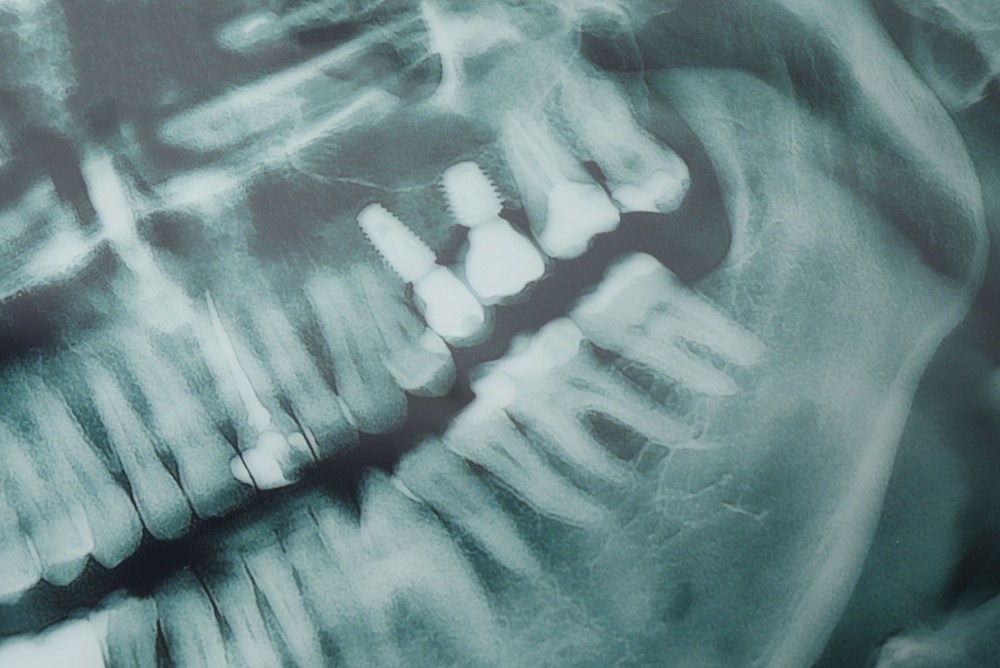
Dental implants full mouth means replacing most or all teeth in one or both arches with implants and a fixed or removable prosthesis. This guide is for people who have multiple failing or missing teeth and are exploring a permanent, long‑term solution. Read on to learn who is a candidate, what the treatment and timeline look like, common costs and financing, how to care for implants, risks to watch for, expected benefits, and how to take the next step with an evaluation.
What Are Full-Mouth Dental Implants?
Full‑mouth dental implants replace an entire arch (upper, lower, or both) using multiple implants to support a bridge or denture. Common approaches include All‑on‑4 or All‑on‑6 (four or six implants supporting a fixed arch), implant‑supported removable dentures, and full‑arch fixed bridges. These differ from single‑tooth implants because they restore many teeth at once and focus on arch stability, bite function, and facial support rather than replacing one tooth.
Who Is a Candidate for Dental Implants Full Mouth in Denver, NC?
Core candidacy factors include good overall health, controlled chronic conditions, adequate jawbone volume, and healthy gums. People with heavy smoking, uncontrolled diabetes, or active untreated gum disease may need medical or lifestyle changes before proceeding. A simple screening with medical history, dental exam, and 3D imaging helps determine candidacy; complex cases may need a specialist referral.
Medical and oral health considerations
Conditions like uncontrolled diabetes or autoimmune disease can affect healing. Active gum infection and severe bone loss are treatable but may add preparatory steps like grafting. Your dentist will review medications and medical history.
Age, lifestyle, and commitment to follow-up care
There’s no strict upper age limit, but candidates must commit to oral hygiene, regular dental visits, and any recommended lifestyle changes (for example, quitting smoking) to improve long‑term success.
Typical Treatment Steps and Timeline
Treatment usually starts with consultation and CBCT planning, followed by extractions if needed. Bone grafting or a sinus lift may be required and can add 3–6 months healing. Implant placement is followed by osseointegration (typical 3–6 months). Many patients receive a temporary prosthesis the same day or shortly after surgery; the final restoration is placed once implants are stable. Overall timelines range from a few months (with minimal grafting) to a year for more complex cases.
Cost Factors for Full-Mouth Dental Implants in Denver, NC
Costs depend on number of implants, type of prosthesis (fixed vs. removable), need for grafting or sinus lifts, the surgeon’s experience, and lab/restoration quality. A broad range: single‑arch implant reconstruction commonly falls between roughly $20,000–$60,000; full‑mouth (both arches) can be $40,000–$120,000 or more. Exact pricing requires an individualized estimate.
Financing and insurance options
Many offices offer in‑house financing, third‑party medical/dental loans, and payment plans. Dental insurance may cover parts of the restorative work but rarely covers the full implant cost—verify benefits before treatment.
Risks, Complications, and Long-Term Care
Risks include infection, implant failure, nerve or sinus complications, and prosthetic problems. Follow‑up is usually more frequent the first year, then at least every 6–12 months. Daily care—brushing, flossing, and using interdental brushes or a water flosser—is essential. Seek urgent care for swelling, severe pain, fever, or a loose implant or prosthesis.
Benefits and Expected Outcomes
Full‑mouth implants restore chewing, improve speech, preserve bone, support facial structure, and offer durable function with proper care. Recovery varies; expect some swelling and dietary changes early, with substantial function regained within weeks to months.
Why Choose Avason Family Dentistry in Denver, NC for Full‑Mouth Implants
Dr. Frank Avason is dual‑trained in periodontics and dentistry with over two decades of implant experience. Avason Family Dentistry in Denver, NC uses CBCT imaging, intraoral scanning, Tekscan occlusal analysis, PRGF/PRF, soft‑tissue lasers, and offers in‑house sedation and same‑day restoration partnerships to support predictable full‑mouth care.
Next Steps: Consultation and What to Bring
To request a full‑mouth implant evaluation, schedule a consultation and bring medical history, current medications, previous dental records or X‑rays, and a list of goals or concerns. At the first visit expect an exam, 3D imaging, and a review of treatment options and costs. Ask about financing and timeline so you can make an informed decision.